
Metalized Films
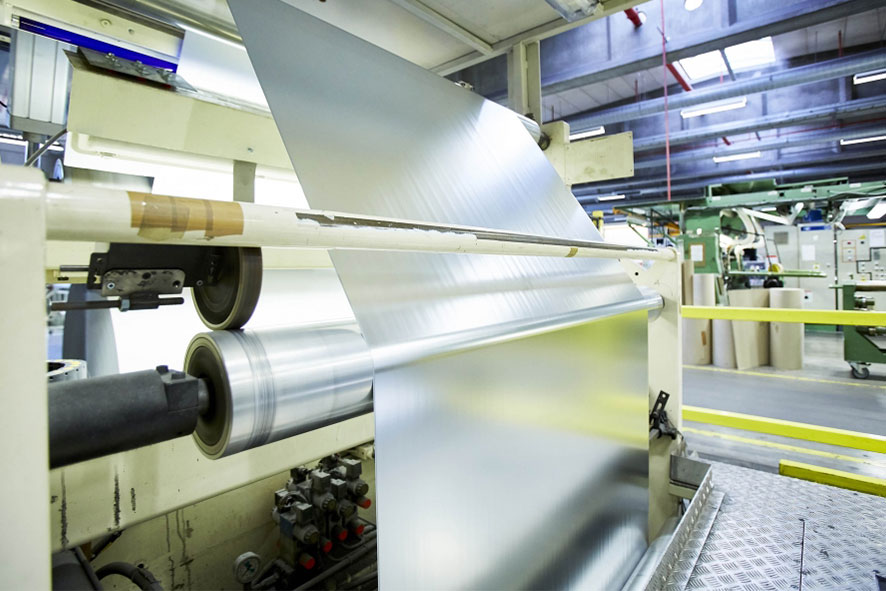
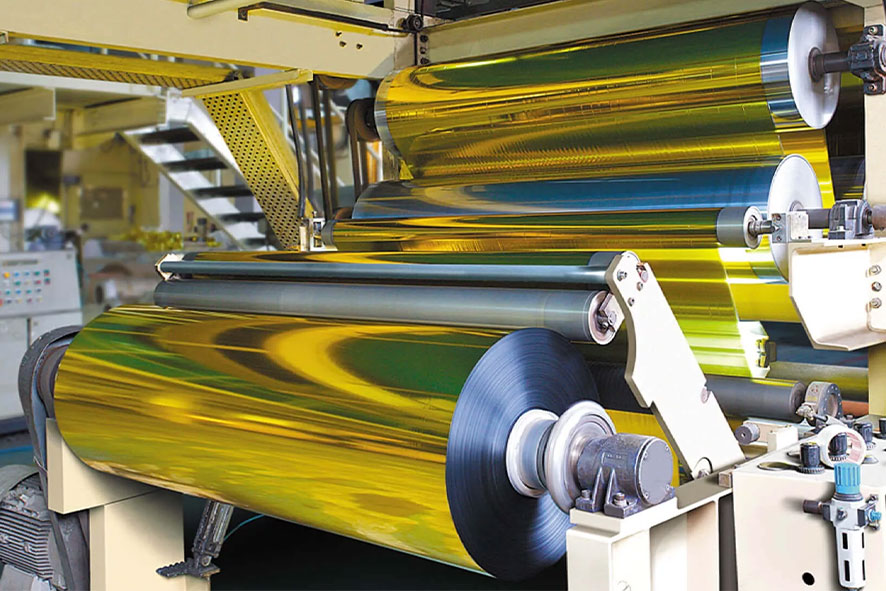
Metalized films are advanced polymeric substrates coated with an extremely thin metallic layer, typically aluminum, through the vacuum metallization process. This technology produces a bright, mirror like surface similar to aluminum foil, yet offers significantly lower weight, superior flexibility, and reduced production cost. In this process, pure aluminum is heated and vaporized under vacuum conditions; the vapor condenses uniformly on the cooled film surface, forming a continuous, adherent, and optically brilliant metallic layer.
These films combine the mechanical strength and flexibility of polymers with the barrier and reflective properties of metals. Consequently, metalized films act as highly efficient barriers against oxygen, water vapor, aromas, and other environmental factors, greatly extending product shelf life and ensuring quality preservation. Their mirror like, glossy surface provides a premium aesthetic appeal, making them ideal for luxurious and high visibility packaging designs.
Manufacturing Process
1. Base Film Preparation: Substrates such as BOPET, BOPP, or CPP are cleaned and surface treated (corona or plasma treatment) to enhance metallic adhesion.
2. Vacuum Metallizing: Pure aluminum is evaporated under a vacuum level of approximately 10⁻⁵ torr, and the vapor deposits onto the moving film, forming a uniform metal layer only a few hundred angstroms thick.
3. Cooling and Rewinding: After deposition, the metalized film is cooled, inspected for optical uniformity and adhesion, and wound into standard rolls for downstream processing.
Optional post treatments—such as coating, lamination, or the addition of antistatic and heat sealable layers—may be applied to customize the film’s properties according to application requirements.
Technical Characteristics
Highly effective barrier against oxygen, moisture vapor, and odor migration
Exceptional brightness and uniform mirror like reflection
Excellent mechanical strength and thermal stability
Lightweight and more flexible than traditional aluminum foil
Superior printability and ink/adhesive adhesion
Effective light and UV shielding for sensitive products
Heat seal capability in composite structures with CPP or PE
Antistatic property options for electronic applications
Applications
- Food Packaging: Ideal for dry snacks, coffee, tea, dairy powders, and frozen foods—preserving freshness and preventing oxidation.
- Pharmaceutical Industry: Protects medicines and supplements from light, humidity, and oxygen to maintain stability and efficacy.
- Cosmetic and Personal Care: Enhances aesthetic appeal and safeguards formulations through reflective and barrier layers.
- Electronics: Utilized in antistatic, moisture resistant packaging for sensitive electronic components.
- Chemical Industry: Suitable for packing reactive, volatile, or sensitive chemicals requiring high protection.
- Advertising and Luxury Design: Applied in premium packaging, gift wraps, and promotional materials to maximize visual impact.
- Industrial and Electrical Uses: Employed in capacitor films and insulation systems demanding high dielectric strength and surface conductivity control.
Advantages and Market Position
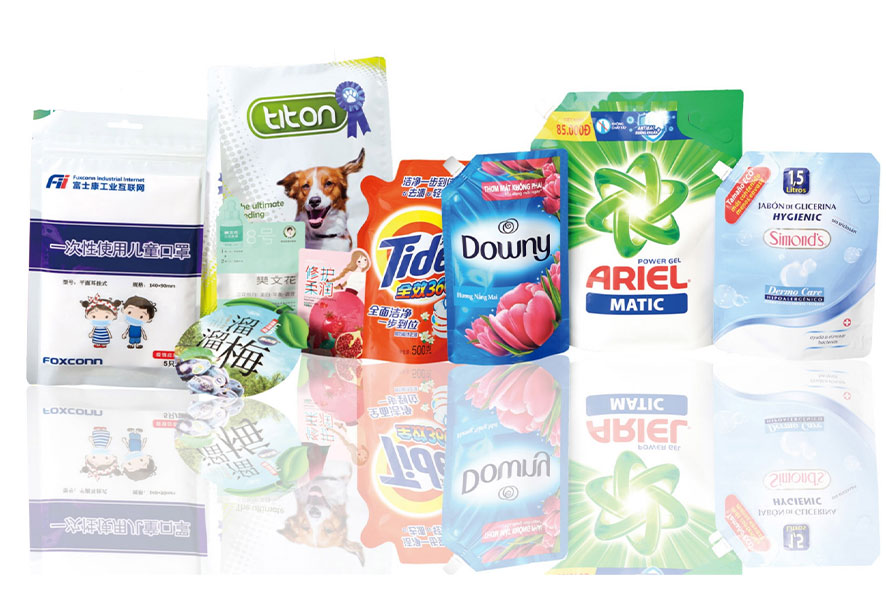
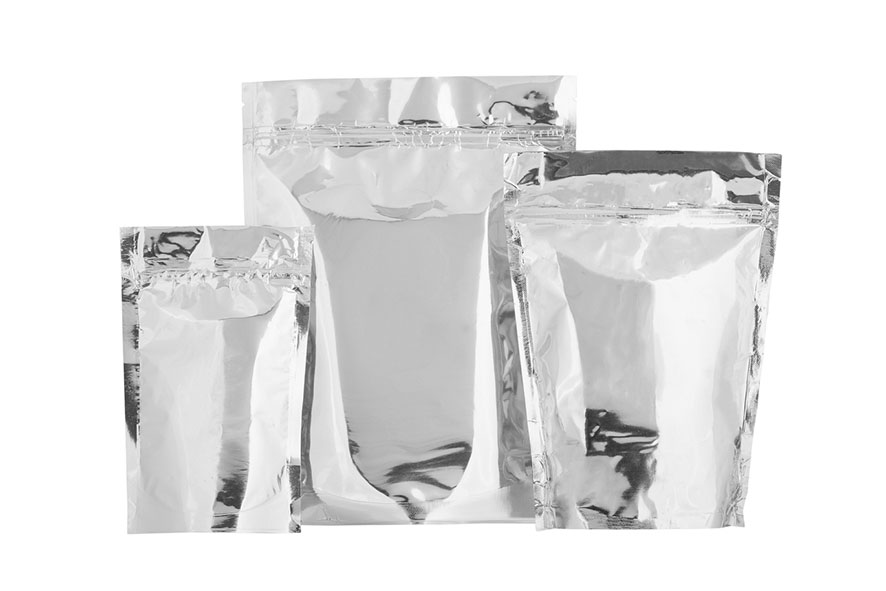
Full compatibility with printing, lamination, and flexible pouch manufacturing operations