
Printing

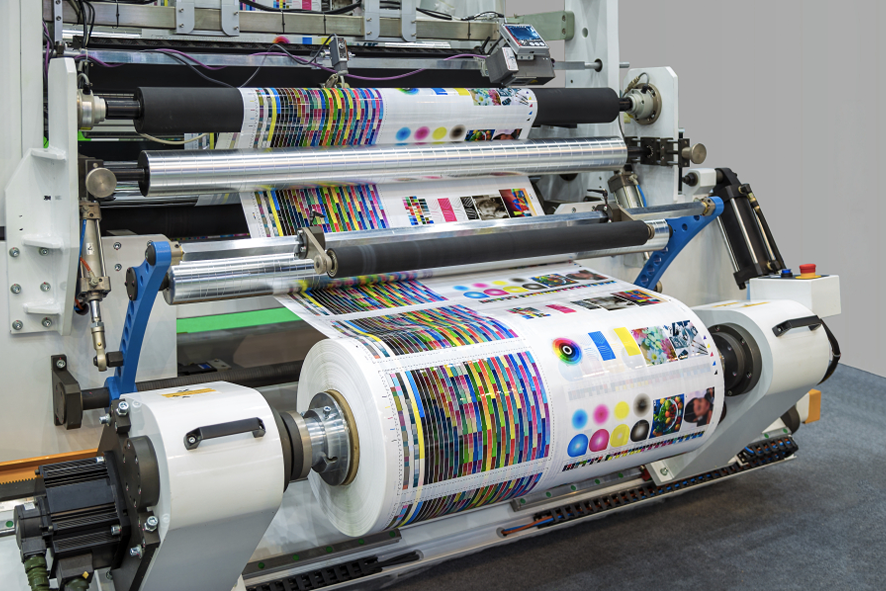
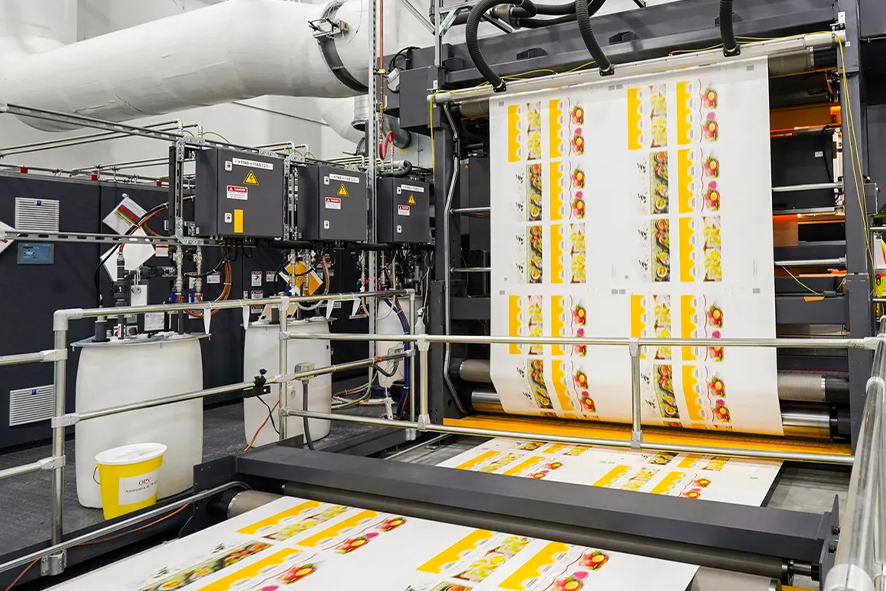
Printing is both an industrial and artistic process in which designs, texts, or images are transferred through inks or other coloring materials onto a surface such as paper, fabric, plastic film, metal, or glass, producing a precise and consistent reproduction of the original artwork. In the packaging industry, printing represents a key stage in visual enhancement, brand identification, and product information delivery, directly influencing market perception and user trust.
1
2

Packaging Printing

Dedicated packaging printers carry out printing operations on boxes, cartons, foils, labels, tags, plastic bags, and metal cans. Many production lines specialize in printing on specific substrates, such as metal (beverage cans, cosmetic containers) or plastic (In Mold Labeling on injection molded surfaces).
The primary goal is achieving high print quality, accurate color matching, and durability against abrasion and moisture, particularly for food and pharmaceutical applications requiring regulatory compliance.

Industrial Printing

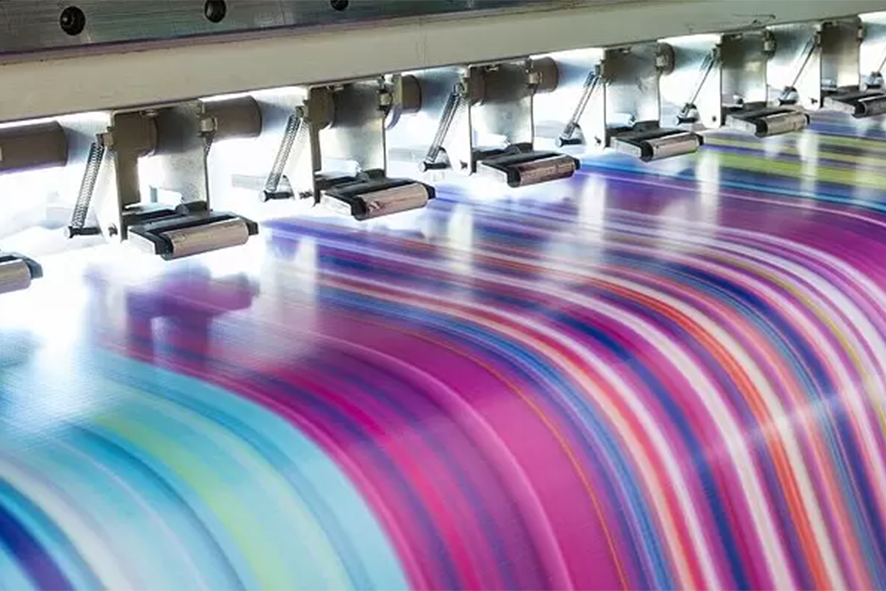
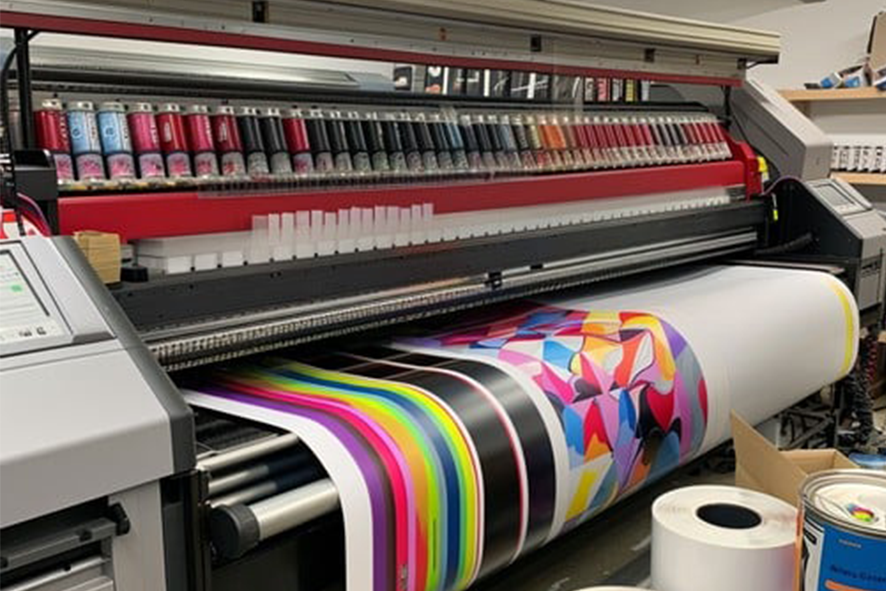
In industrial applications, printing becomes one stage of the product manufacturing process itself. Examples include printing on textiles, PVC sheets, ceramic tiles, wallpaper, or decorative and functional parts such as watch faces, car dashboards, and domestic appliances.
A rapidly emerging field is Printed Electronics, involving the deposition of conductive inks to form circuits and sensors directly on flexible polymeric substrates.
3
4

Main Printing Technologies

Offset Lithography (Offset Printing)

The most commonly used commercial printing method. Ink is transferred from the plate to a rubber blanket and then onto the substrate. Suitable for paper, board, BOPET, and OPP films, widely applied in books, newspapers, stationery, and premium packaging.

Flexography (Flexo Printing)

Utilizes a flexible printing plate, typically made of rubber or photopolymer, allowing printing on diverse materials—plastic, film, foil, or metal. It is the principal technology for food packaging, labels, and industrial pouches, ensuring fast production and consistent quality.

Digital Printing

Covers technologies such as Inkjet and Xerography, enabling direct plate free printing. Ideal for short run production, personalization, QR codes, and variable data printing, offering flexibility and reduced setup time while gradually replacing conventional methods.

Screen Printing (Silk Screen)

Employs a mesh stencil to transfer ink onto both flat and irregular surfaces. Suitable for textiles, glass, wood, metal, and decorative packaging components. This method creates thicker ink layers with excellent durability and UV resistance.

Rotogravure (Gravure Printing)

The image is mechanically or laser engraved onto a metal cylinder, forming tiny recessed cells filled with ink and transferred onto the substrate. Perfect for large volume printing such as magazines, flexible packaging, and film laminates. Rotogravure ensures precise color reproduction and is widely applied on BOPP and metalized PET films.
By integrating technology and design, the printing industry plays a fundamental role in the value chain of packaging. Selecting the appropriate printing technique based on substrate type (paper, plastic, metallic, or composite) and ink compatibility with laminating processes determines the final print quality, visual appeal, and long term durability of the packaged product.
2 1.jpg

Free consultation request form

If you need advice and guidance from our experienced experts to choose your product, please complete the form below and our experts will contact you as soon as possible.
Scroll to Top