
Laminated Films
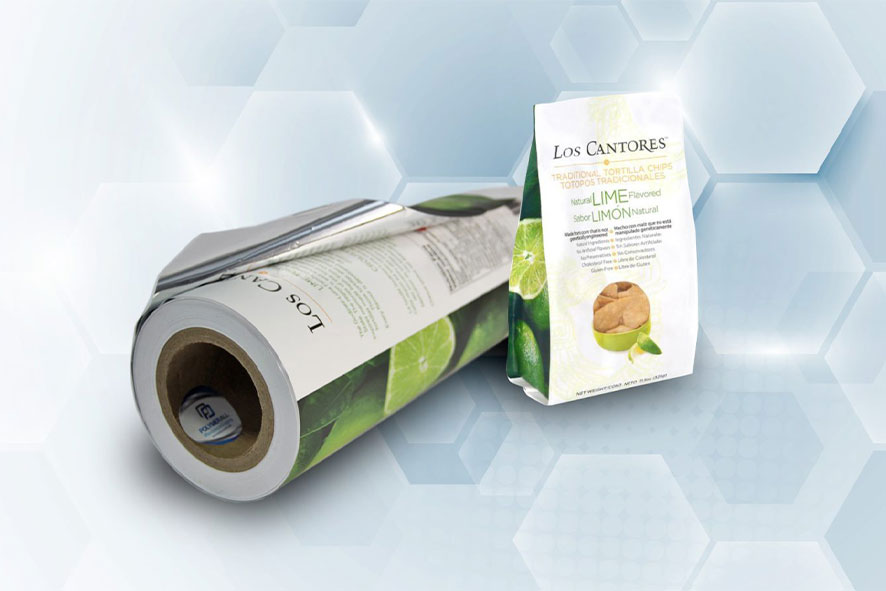
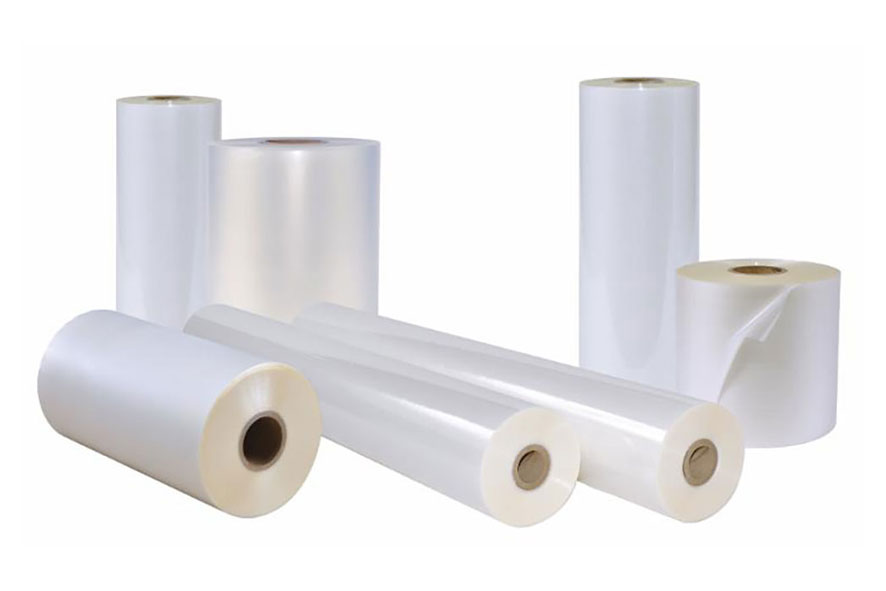
Applications and Importance of Laminated Films
Laminated films are omnipresent in daily life—used in packaging flavored beverages, sauces, ready to eat foods, powders, and in pharmaceutical and hygiene products. They typically consist of multiple layers, wherein a polymeric or paper substrate serves as the backing layer for metallic or aluminum films.
Special barrier films are designed to enhance resistance against odor, moisture, and air permeability, ensuring extended product shelf life.
Functional and Aesthetic Effects
Beyond their protective function, lamination significantly enhances the visual appeal of packaging and thereby improves the overall consumer experience. High quality appearance reflects product authenticity and standards; thus, premium grade laminated films help items stand out and become easily recognizable on retail shelves.
Common lamination processes involve combining multiple polymer films, foils, or sheets using polymeric adhesives or structural resins to achieve optimum adhesion and strength.

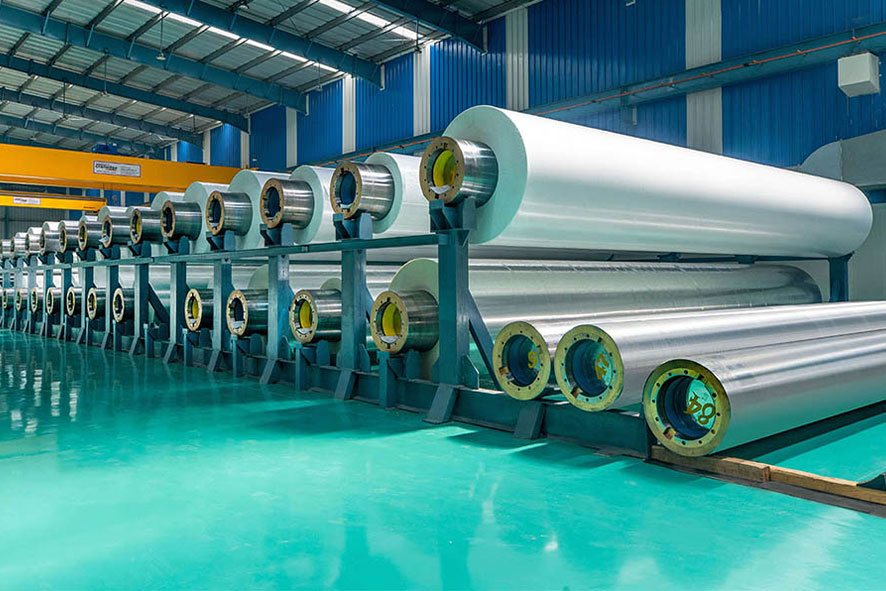
Main Categories of Laminated Films
Cold Lamination Films
A modern process that uses pressure sensitive adhesive (PSA) materials without heat application—ideal for heat sensitive substrates such as automotive vinyls and decorative surfaces.
These films bond with mechanical pressure only. The release liner protects the adhesive until ready for use and is frequently applied on cold lamination rolls.
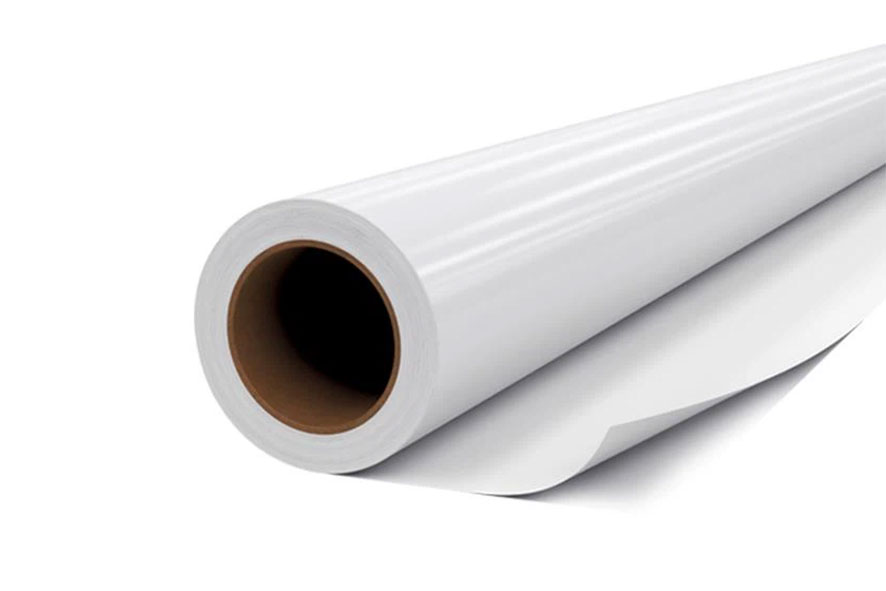
Key Features
Superior airtightness and adhesion
Excellent UV resistance
Resistance to static charge, aging, and humidity
Anti fungal properties
Thermal Lamination Films
Initially referred to two side encapsulation performed at around 130 °C, but the term now covers any heat activated lamination process.
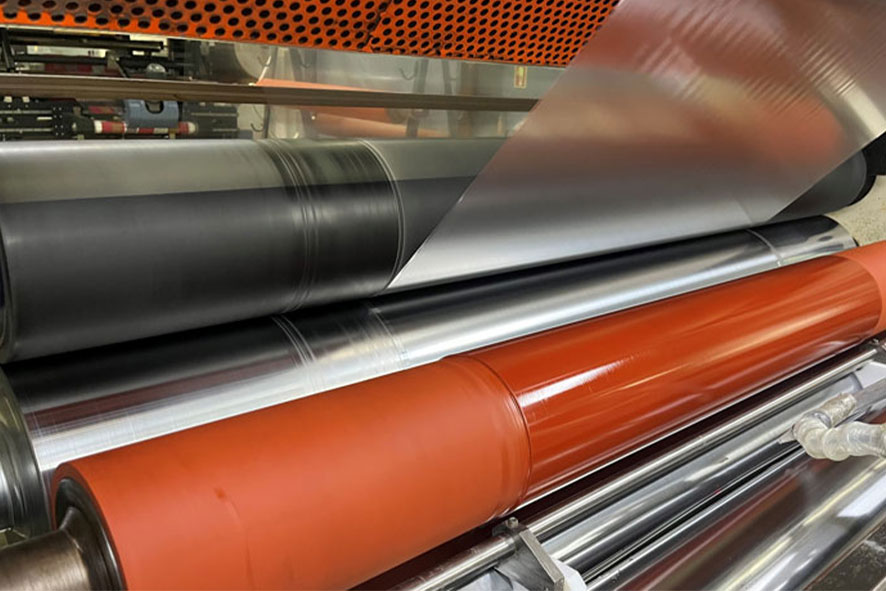
These films are coated with thermal adhesive or resin, which melts at relatively low temperatures and bonds the surface under combined heat and pressure. Commonly used for one side commercial lamination, printing sheets, promotional packaging, or UV printing projects.
Key Features
Exceptional flexibility and easy sheet separation
Enhanced structural integrity and apparent thickness
Suitable for high usage and repetitive items
Compatible with UV spot coating, embossing, and foil stamping