
OPP Films (Oriented Polypropylene Films)
OPP film, abbreviated from Oriented Polypropylene, is a polymeric packaging film produced from polypropylene (PP). In terms of its chemical composition and production process, it is closely related to BOPP (Biaxially Oriented Polypropylene) and CPP (Cast Polypropylene) films. OPP film is widely recognized for its high transparency, glossy appearance, mechanical strength, printability, and laminating capability, making it an excellent choice for food, hygiene, and industrial packaging applications.
Unlike BOPP film, which is stretched in both longitudinal and transverse directions, OPP is oriented in a single direction (uniaxially). This manufacturing distinction results in unique mechanical behavior: the film maintains high dimensional stability along the stretched direction, while exhibiting elasticity across the perpendicular axis. OPP’s balance of stiffness and flexibility supports versatile performance in packaging systems.
In many industrial uses, OPP and BOPP films are interchangeable, yet BOPP films tend to offer better printability and dimensional stability due to their biaxial orientation. Nevertheless, polyester (BOPET) remains the most print friendly and mechanically robust flexible polymeric film available in the market.
Manufacturing Process
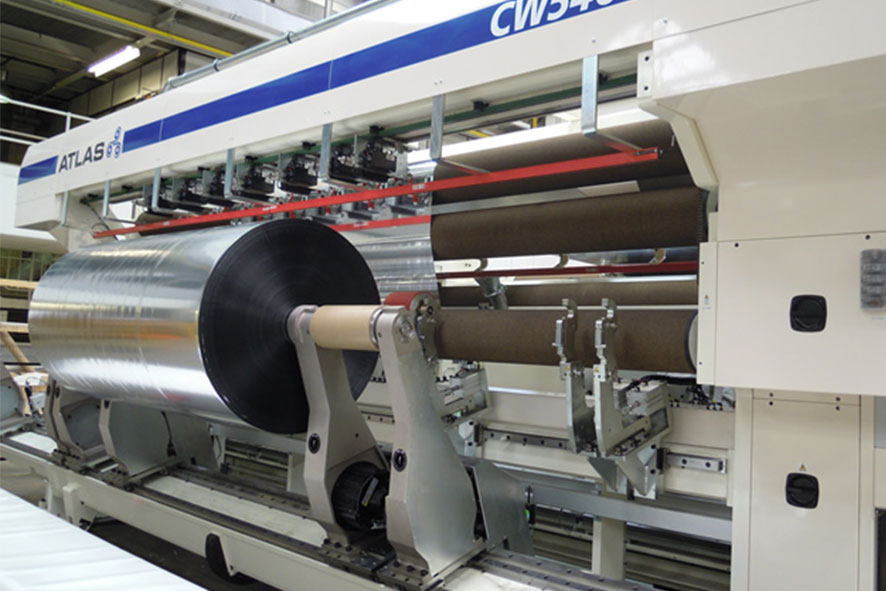
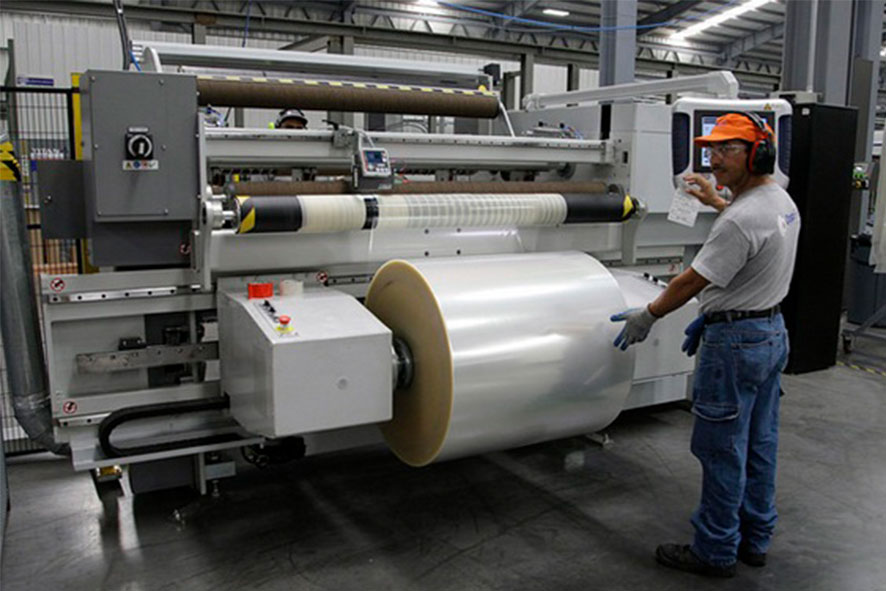
OPP film is produced through the extrusion process, in which molten polypropylene granules are extruded into a uniform sheet. The sheet then undergoes a unidirectional stretching process (Cascade Stretching) at controlled temperatures, aligning the polymer chains to enhance optical clarity and mechanical strength. After cooling and dimensional stabilization, the film is subjected to supplementary treatments such as
• Corona treatment to increase surface energy for better ink and adhesive adhesion,
• Lamination with other polymers or metallic foils, and
• Antistatic coating to reduce surface charge accumulation.
The final product features a smooth surface, excellent adhesion properties, and full food contact compliance, ready for conversion into various packaging structures.
Technical Characteristics
Superior mechanical strength relative to low weighth and flexibility
Outstanding printability with solvent based and UV inks
Excellent laminating compatibility with CPP, PE, and Al Foil structures
Good resistance to tearing, moisture, and grease
High transparency and glass like gloss
Certified Food Grade Compliance for direct contact with edible products
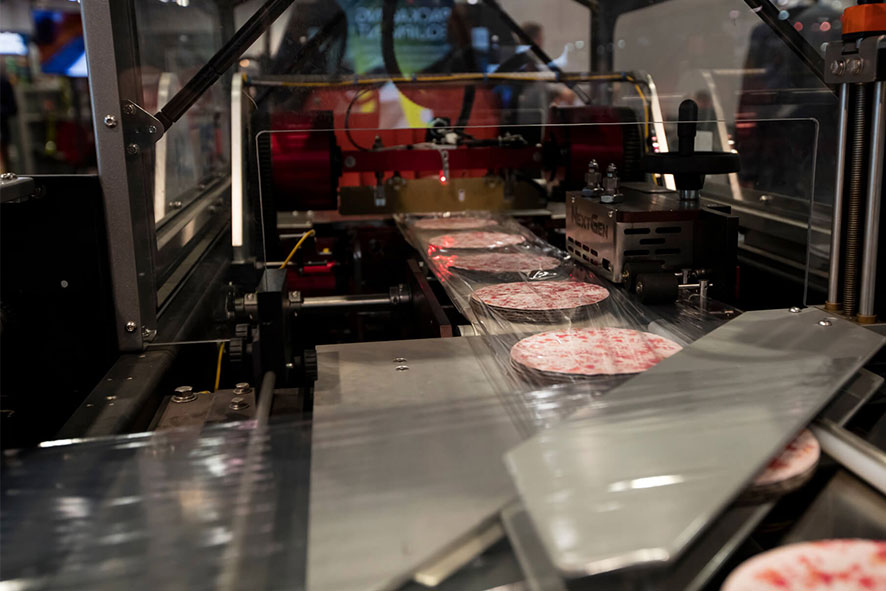
Heat sealability and formability on automatic packaging lines
Applications
- Packaging of dry foods, snacks, biscuits, powdered, and frozen products
- Medical packaging and autoclave resistant flexible films
- Cosmetic and personal care packaging requiring glossy and durable surfaces
- Production of labels and laminates for mineral water bottles, beverages, and disposable containers
- Manufacturing of adhesive tapes and self adhesive plastic films
- Production of multi layer laminated pouches and flexible wraps
- Packaging for stationery, light household items, and promotional goods
Advantages and Market Position